

TPU layflat hose has become a popular solution for demanding water transfer and fluid transportation applications where flexibility, durability, and long service life are required. Made from thermoplastic polyurethane (TPU), this type of flexible hose combines high mechanical strength with excellent resistance to abrasion, making it suitable for industries such as agriculture, mining, oil and gas, construction, and emergency response.
Compared with traditional PVC hoses, TPU hoses offer improved wear resistance, higher working pressure capability, and better performance in harsh environments. For applications involving large volumes of water, frequent movement, rough terrain, or high-pressure pumping, selecting the right TPU layflat hose can reduce maintenance requirements and improve operating efficiency.
This guide explains what TPU layflat hose is, its construction, specifications, applications, and how to select the right hose for different industrial requirements.
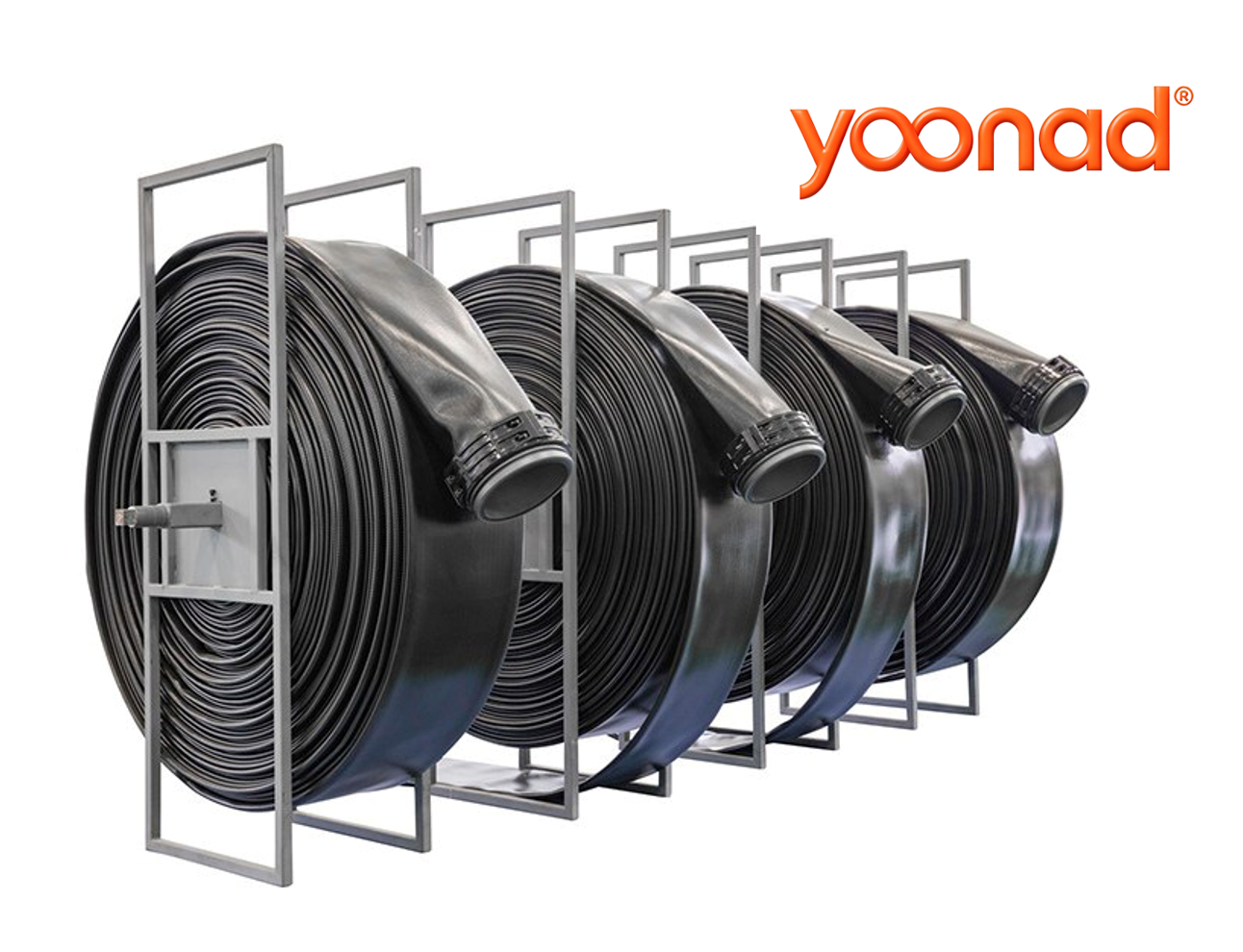
A TPU layflat hose is a flexible industrial hose manufactured using thermoplastic polyurethane material with a reinforced textile structure. Unlike rigid pipes, the hose can be rolled flat when empty, making it easier to transport, store, and deploy.
TPU layflat hoses are commonly used for:
The hose structure normally consists of:
A high-performance TPU layflat hose is designed to handle demanding working environments where ordinary hoses may experience premature wear, cracking, or pressure failure.
Thermoplastic polyurethane (TPU) is an advanced polyurethane material known for its balance of flexibility and strength.
For industrial hoses, TPU provides several advantages:
| Property | Benefit for Industrial Hose |
|---|---|
| High abrasion resistance | Longer service life when dragged across rough surfaces |
| High tensile strength | Better performance under pressure |
| Flexibility | Easier handling, deployment, and storage |
| Chemical resistance | Suitable for various industrial fluids |
| Temperature resistance | Reliable performance in changing environments |
| Lightweight construction | Reduces transportation and labor costs |
Compared with conventional hose materials, TPU provides a better combination of durability and flexibility.
This is especially important for applications such as mining dewatering and hydraulic fracturing, where hoses are often moved repeatedly across gravel, rocks, and uneven ground.
One of the main reasons industries choose TPU layflat hose is its excellent abrasion resistance.
During operation, hoses may experience:
A hose with poor abrasion resistance can quickly develop surface damage, leading to leakage or replacement.
TPU hoses are designed to withstand repeated mechanical stress while maintaining their structural performance.
For mining, construction, and fracking applications, abrasion resistance directly affects:
A TPU layflat hose is available in different pressure ratings depending on:
Common industrial designs include:
For example, a TPU frac hose used in hydraulic fracturing operations requires reliable performance under high-pressure conditions while transferring large volumes of water.
The correct hose selection should always consider:
The temperature range of TPU layflat hose depends on the TPU grade, reinforcement material, and application conditions.
Typical industrial TPU hoses can operate approximately within:
-50°C to +80°C (-58°F to +176°F)
However, actual performance depends on:
For outdoor applications such as mining, agriculture, and emergency response, a suitable temperature range helps maintain flexibility and prevent material degradation.
A major advantage of TPU layflat hose is its extended service life compared with many conventional hose materials.
The lifespan depends on:
Proper selection and maintenance can significantly extend hose performance.
For businesses operating large-scale water transfer systems, a longer service life means:
When selecting a TPU layflat hose, engineers and buyers usually evaluate the following specifications:
Common sizes include:
Large diameter hoses are often used for applications requiring high volumes of water transfer, including mining and hydraulic fracturing.
The pressure rating depends on hose construction.
Important factors include:
A high-pressure TPU layflat hose should provide stable performance without excessive expansion or deformation.
Wall thickness influences:
A thicker wall generally improves durability, while optimized designs maintain flexibility for easier handling.
Although TPU is a durable material, modern hose designs focus on reducing unnecessary weight.
A lighter hose can:
This is especially valuable for emergency response teams and large agricultural irrigation systems.
| Specification | Typical Range / Feature |
|---|---|
| Material | Thermoplastic polyurethane (TPU) |
| Structure | TPU liner + high tenacity polyester reinforcement |
| Temperature Range | Approx. -50°C to +80°C |
| Working Pressure | Application dependent, including high-pressure designs |
| Abrasion Resistance | Excellent for demanding environments |
| Applications | Water transfer, mining, agriculture, fracking, emergency response |
| Service Life | Longer than many PVC alternatives |
| Features | Flexible, lightweight, durable, pressure rated |
TPU layflat hoses are available in different designs to meet specific pressure requirements, working environments, and fluid transfer needs. The selection of hose type depends on factors such as operating pressure, abrasion conditions, transportation distance, and application requirements.
Standard TPU layflat hoses are designed for general-purpose water transfer applications where flexibility, durability, and easy handling are required.
Typical applications include:
These hoses provide a practical balance between:
For farms, contractors, and industrial users, standard TPU hoses offer a more durable alternative to conventional PVC layflat hoses.
A heavy duty TPU layflat hose is designed for more demanding environments where the hose experiences frequent movement, high abrasion, and continuous operation.
Common applications include:
Features include:
In mining and construction environments, hoses are often dragged over gravel, rocks, and uneven surfaces. A heavy-duty design helps reduce damage caused by repeated mechanical contact.
A high pressure TPU layflat hose is manufactured for applications requiring reliable fluid transfer under elevated operating pressures.
Important design factors include:
High pressure TPU hoses are commonly used in:
Before selecting a high-pressure hose, users should confirm:
Using a hose below the required pressure rating may lead to premature failure.
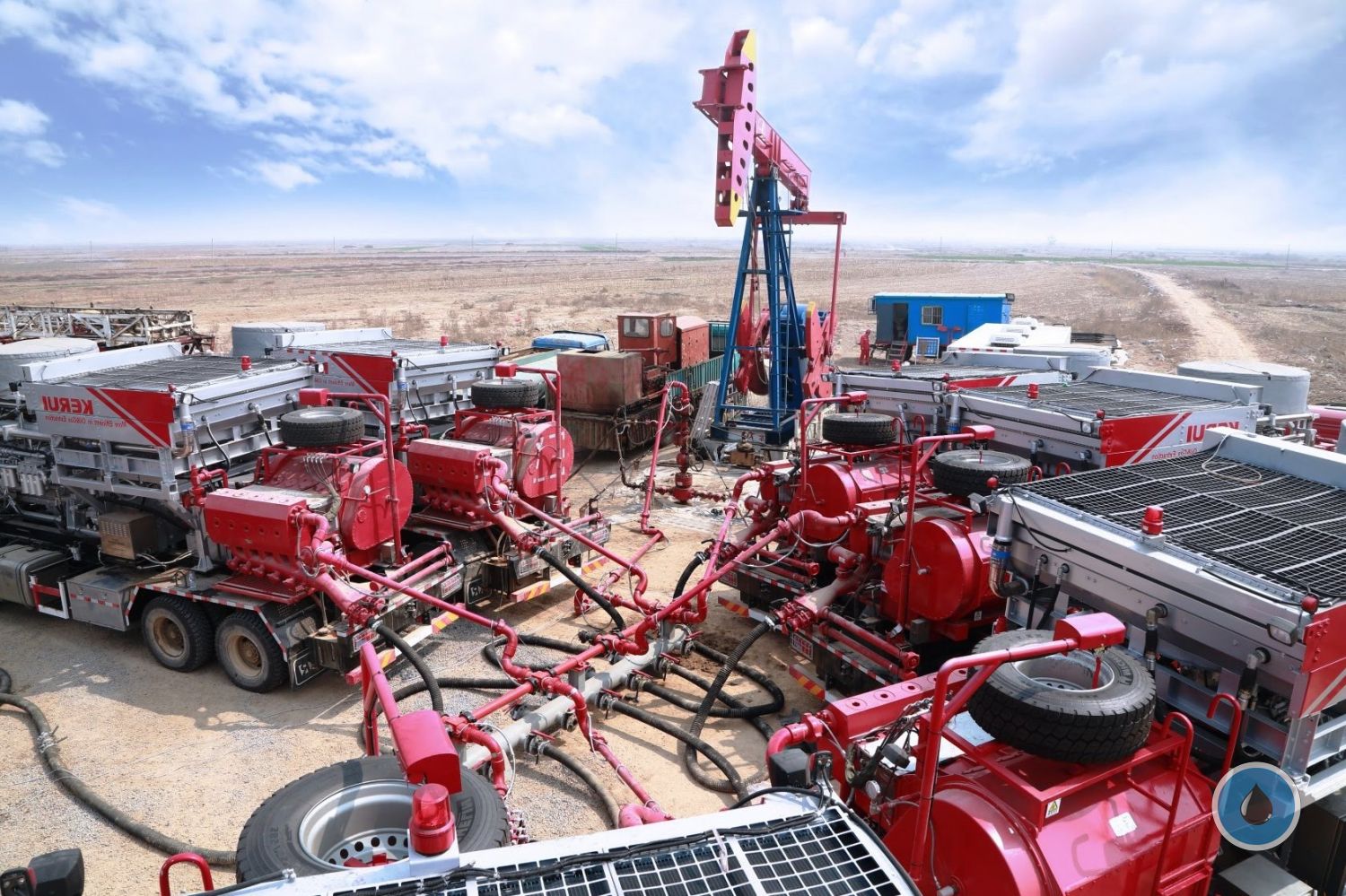
A TPU frac hose is specifically developed for oil and gas operations, especially hydraulic fracturing applications.
During shale gas extraction, hydraulic fracturing requires large volumes of water mixed with proppants to be transported at high pressure. The hose system must handle:
TPU frac hoses provide:
For fracking operations, hose performance directly affects:
Water transfer is one of the most common uses for TPU layflat hose.
These hoses are used to move large volumes of water over long distances in situations where traditional pipelines are difficult to install.
Typical applications include:
Advantages include:
Compared with rigid pipe systems, TPU layflat hoses allow operators to quickly create temporary water transfer networks.
The oil and gas industry requires reliable hose systems for hydraulic fracturing operations.
During shale gas extraction, water and other fluids are pumped at high pressure to create fractures in underground rock formations.
Fracking hoses must withstand:
A TPU frac hose is designed for these requirements by combining:
Compared with rigid steel piping, TPU hoses can reduce installation time and improve site flexibility.
Mining operations often require continuous water removal from:
A mining dewatering hose must handle:
TPU layflat hoses are suitable because they offer:
Mining environments expose hoses to rocks and rough surfaces. TPU material helps resist external wear.
Operators can quickly reposition hoses as mining areas change.
Compared with rigid piping, flexible hose systems require less installation effort and fewer connection points.
Agricultural irrigation requires efficient water delivery across fields, farms, and remote areas.
TPU layflat hoses are widely used for:
Benefits include:
For modern farming operations, flexible hose systems help improve irrigation efficiency while reducing installation time.
Emergency response teams require equipment that can be transported quickly and deployed in challenging environments.
TPU layflat hoses are used for:
Their advantages include:
A rolled TPU layflat hose occupies significantly less space compared with rigid pipe systems, making it suitable for emergency equipment storage.
Choosing the correct TPU layflat hose requires evaluating several operating conditions.
The first step is identifying the required pressure rating.
Consider:
A hose designed for low-pressure water transfer should not be used in high-pressure applications such as hydraulic fracturing.
Different applications create different levels of wear.
For example:
| Application | Abrasion Level | Recommended Hose Type |
|---|---|---|
| Agricultural irrigation | Medium | Standard TPU hose |
| Construction water transfer | High | Heavy duty TPU hose |
| Mining dewatering | Very high | Heavy duty abrasion-resistant TPU hose |
| Hydraulic fracturing | Very high | High pressure TPU frac hose |
Temperature affects hose flexibility and service performance.
Users should consider:
A proper temperature range ensures stable performance during operation.
The hose diameter affects:
Large diameter TPU layflat hoses are commonly selected for applications requiring high volumes of water transfer.
For example:
The lowest initial purchase price is not always the lowest operating cost.
A durable TPU layflat hose may have a higher initial cost but provide:
For industrial users, total operating cost is often more important than initial hose price.
Working with an experienced TPU layflat hose manufacturer helps ensure the hose meets application requirements.
A professional manufacturer should provide:
High-quality TPU raw materials help maintain:
Reliable production processes ensure:
Industrial applications often require customized solutions, including:
For mining, oil and gas, agriculture, and emergency applications, selecting the right manufacturer can improve long-term hose performance.
When selecting a layflat hose for industrial applications, the material choice directly affects durability, pressure performance, maintenance frequency, and service life.
The three commonly compared materials are:
Each material has different performance characteristics. The best choice depends on the working environment, pressure requirements, abrasion conditions, and fluid type.
| Property | TPU Layflat Hose | PVC Layflat Hose | NBR Layflat Hose |
|---|---|---|---|
| Material | Thermoplastic polyurethane | Polyvinyl chloride | Nitrile rubber |
| Abrasion Resistance | Excellent | Moderate | Good |
| Flexibility | Excellent, even in demanding conditions | Good in normal temperatures | Good |
| Temperature Range | Approx. -50°C to +80°C | Approx. -10°C to +60°C | Approx. -30°C to +100°C depending on formulation |
| Working Pressure | Medium to high pressure designs available | Low to medium pressure | Medium to high pressure |
| Oil Resistance | Good | Limited | Excellent |
| Service Life | Long service life under harsh conditions | Moderate | Good |
| Weight | Lightweight | Lightweight | Heavier |
| Typical Applications | Mining, fracking, industrial water transfer | General water transfer, irrigation | Oil, fuel, chemical-related applications |
TPU layflat hose is often selected for applications where durability and flexibility are more important than the lowest initial cost.
The main advantages include:
TPU material provides excellent resistance against wear caused by:
For mining dewatering and construction water transfer, abrasion resistance is one of the most important performance factors.
A hose that wears quickly can increase:
Although TPU provides high mechanical strength, it remains flexible.
This allows operators to:
For emergency response and remote industrial sites, flexible hose handling provides practical advantages.
A high-performance TPU layflat hose can provide a longer working life compared with many standard PVC hoses, especially in abrasive environments.
Service life depends on:
Proper hose selection and maintenance help maximize performance.
Always select a hose based on the actual working pressure, not only the pump capacity.
Consider:
For applications such as hydraulic fracturing, high pressure TPU hoses require precise pressure-rated construction.
Different industries have different wear conditions.
Examples:
Standard TPU hoses may be sufficient.
Examples:
Heavy-duty TPU hoses with enhanced abrasion resistance are recommended.
Large-volume water transfer requires correct hose sizing.
Larger diameter hoses provide:
Common large diameter applications include:
Proper maintenance improves hose service life.
Remove:
Contaminants can accelerate material wear.
Before storage:
Excessive bending may create stress concentration points.
Maintain proper bending conditions during:
A hose storage rack helps:
A TPU layflat hose is used for flexible water and fluid transfer applications, including agricultural irrigation, mining dewatering, hydraulic fracturing, emergency response, and industrial pumping.
Its flat design allows easy transportation and storage while providing reliable performance during operation.
TPU hose material is made from thermoplastic polyurethane, a polymer known for high strength, flexibility, and excellent abrasion resistance.
TPU combines the flexibility of rubber with the durability of engineering plastics, making it suitable for demanding industrial hose applications.
The main advantages include:
The typical temperature range of TPU layflat hose is approximately:
-50°C to +80°C (-58°F to +176°F)
The actual operating range depends on TPU formulation, pressure conditions, and application requirements.
The working pressure depends on:
High-pressure TPU layflat hoses can be manufactured for demanding applications such as fracking and industrial water transfer.
Yes. TPU frac hose is widely used in hydraulic fracturing operations because it provides:
It is suitable for transporting large volumes of water during shale gas extraction projects.
The main difference is durability and performance.
TPU layflat hoses generally provide:
PVC hoses are often selected for lower-cost general water transfer applications.
Consider:
Choosing the correct specifications helps ensure safe operation and lower long-term costs.
TPU layflat hose is a high-performance solution for industries requiring flexible, durable, and pressure-rated fluid transfer systems.
With excellent abrasion resistance, wide temperature range, strong mechanical performance, and long service life, TPU hoses are widely used in:
Compared with traditional hose materials, TPU provides a balanced combination of flexibility, strength, and durability.
For companies looking for reliable industrial hose solutions, selecting an experienced TPU layflat hose manufacturer ensures consistent quality, suitable specifications, and better long-term performance.
© 2026 Yoonad Hose | Yoonad Group | All right reserved Created by WIGOR