

In modern hydraulic fracturing operations, water transfer systems must handle long-distance transportation, high flow rates, changing terrain, and continuous operation. As unconventional oil and gas production continues to expand in the United States and other energy-producing regions, TPU layflat hoses have become one of the preferred solutions for oil and gas operators.
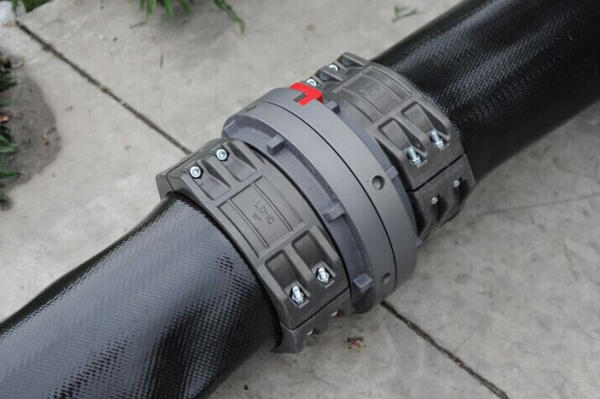
A frac water transfer hose is a reinforced flexible hose used to transport freshwater, recycled water, and produced waters from storage locations to active well pads during hydraulic fracturing.
The hose is usually manufactured from:
Unlike conventional pipes, TPU layflat hoses can be rolled, transported, deployed, and recovered quickly. They can operate under high pressure while maintaining flexibility in difficult field conditions.
Typical applications include:
Hydraulic fracturing requires enormous amounts of water.
A typical fracturing operation follows this process:
The transportation stage is known as water transfer.
Without an efficient water transfer system, drilling operations can experience delays, increased costs, and reduced production efficiency.
Modern shale development depends on high volumes of water.
The amount of water required depends on several factors:
| Well Type | Typical Water Demand |
|---|---|
| Conventional wells | Lower |
| Horizontal wells | Higher |
| Multi-stage fracturing wells | Very high |
| Shale gas wells | Extremely high |
According to reports published by the Department of Energy, a single horizontal shale well may require millions of gallons of water during completion.
The increase in shale gas development has created greater demand for temporary water transportation systems that can move water quickly over long distances.
Flow rates determine how much water can move through a pipeline during a specific period.
Several factors influence flow rates:
Typical frac water transfer systems operate with:
| Hose Size | Approximate Flow Capacity |
|---|---|
| 4-inch | Moderate |
| 6-inch | High |
| 8-inch | Very high |
| 10-inch | Extremely high |
| 12-inch | Maximum field capacity |
Many hydraulic fracturing projects use multiple hoses connected in parallel to increase total flow capacity.
Steel pipes require heavy equipment and longer installation times.
TPU layflat hoses can be deployed rapidly.
Some systems can install several thousand feet of hose within a few hours.
Fracturing sites rarely have flat terrain.
A flexible hose can adapt to:
A rolled TPU hose occupies less space than rigid pipes.
More hose can be transported in a single truck, reducing logistics costs.
Oilfield environments are harsh.
Hoses are frequently exposed to:
TPU materials provide excellent resistance to abrasion compared with many conventional materials.
Different rock formations require different fracturing designs.
Examples include:
| Formation | Characteristics |
|---|---|
| Shale | Low permeability |
| Sandstone | Moderate permeability |
| Limestone | Variable permeability |
| Tight formations | Very low permeability |
Some formations require more fracturing stages, which increases water demand.
Additional factors include:
As a result, water transfer infrastructure must be designed according to the specific characteristics of each reservoir.
Water quality directly affects fracturing fluid performance.
Poor water quality may cause:
Water used in fracturing operations may come from several sources:
Before transportation, operators often analyze:
Maintaining consistent water quality helps improve operational efficiency.
Produced waters are fluids that return to the surface after oil and gas extraction.
Traditionally, these fluids were treated as waste.
Today, many operators recycle produced water to reduce freshwater consumption.
The process usually includes:
Recycling reduces disposal costs while improving the sustainability of hydraulic fracturing projects.
Water treatment has become an important part of modern water management strategies.
Common treatment technologies include:
The treatment method depends on:
Many operators now combine water treatment and transfer systems into a single integrated operation.
The environmental impact of hydraulic fracturing remains a widely discussed topic.
The primary concerns include:
Large-scale operations can place additional pressure on local water resources.
Improper management of produced water can affect ecosystems.
Temporary pipelines, roads, and storage areas may alter landscapes.
Pumping millions of gallons of water requires significant energy.
To reduce environmental impacts, many companies are adopting:
Several industry trends are shaping the future of hydraulic fracturing.
More operators are reducing dependence on freshwater sources.
Water is increasingly transported across greater distances through temporary pipeline networks.
Modern wells require more stages and larger water volumes.
Digital technologies are improving pipeline management.
Companies are paying greater attention to long-term environmental performance and resource efficiency.
When selecting a hose, consider the following factors.
Common pressure ratings include:
Always select a hose with an appropriate safety margin.
Larger diameters provide higher flow rates.
Common sizes include:
Oilfield operations may experience extreme temperatures.
Verify the manufacturer's recommended operating range.
Evaluate the outer cover material carefully.
TPU generally offers excellent wear resistance.
Longer hose sections reduce the number of connections and installation time.
Ensure compatibility with:
Frac water is the water used to create hydraulic fracturing fluid. It is usually mixed with sand and chemical additives before being injected into underground formations.
Hydraulic fracturing is the process of creating fractures in underground rock formations.
Water transfer is the process of transporting water to the well site.
Water transfer is one stage within the overall hydraulic fracturing operation.
TPU layflat hoses provide:
These characteristics make them suitable for temporary oilfield pipelines.
Water consumption varies according to geology and well design.
Many shale wells require millions of gallons of water during completion.
Yes.
Many oil and gas operators recycle produced waters through filtration and water treatment systems.
Reusing water reduces freshwater demand and lowers disposal costs.
Common sizes include 4-inch, 6-inch, 8-inch, 10-inch, and 12-inch hoses.
The correct size depends on the required flow rate, operating pressure, and pipeline length.
As hydraulic fracturing continues to expand across unconventional oil and gas fields, efficient water transportation has become a major operational requirement.
High-pressure TPU layflat hoses provide a practical solution for moving large water volumes across challenging environments. Their flexibility, durability, and rapid deployment capabilities make them suitable for modern frac water transfer systems.
For oil and gas operators seeking better water management solutions, selecting the appropriate hose can improve efficiency, reduce operating costs, and support more sustainable resource management.
© 2026 Yoonad Hose | Yoonad Group | All right reserved Created by WIGOR